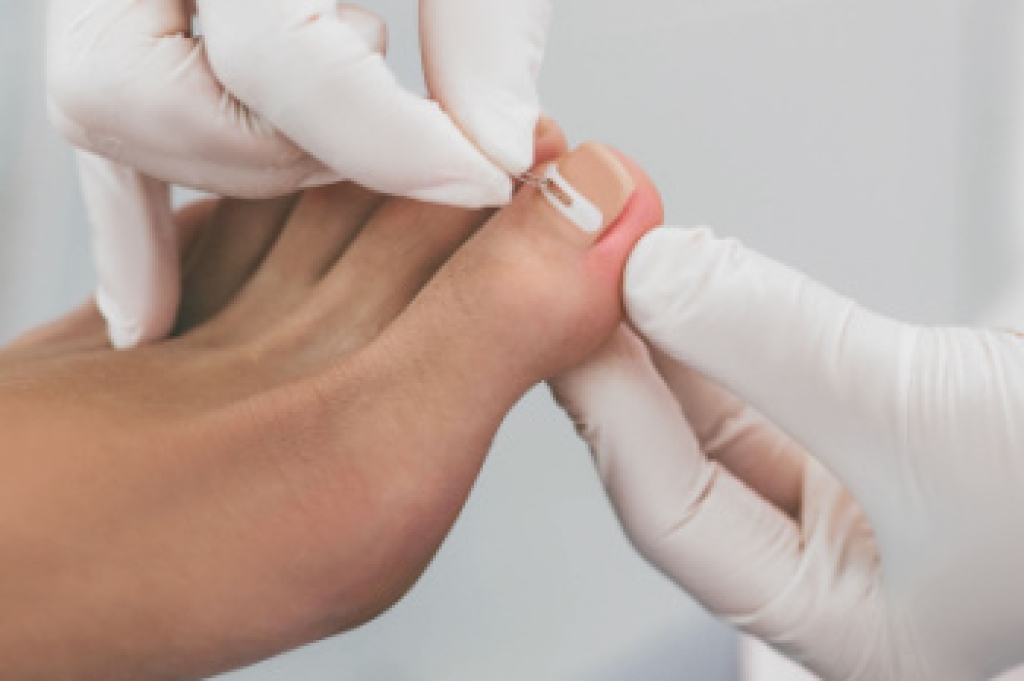
Chronic Ingrown Toenails

Chronic ingrown toenails can be a persistent and painful foot condition. They occur when the edge of the toenail, usually on the big toe, grows into the surrounding skin, leading to discomfort, swelling, redness, and sometimes infection. While an occasional ingrown toenail is common and often manageable at home, chronic ingrown toenails are a recurring problem. Several factors can contribute to chronic ingrown toenails, including improper nail trimming, wearing tight or ill-fitting shoes, genetics, and underlying foot deformities. Over time, chronic ingrown toenails can lead to pain and discomfort, making it difficult to walk and wear shoes comfortably. Treatment options for chronic ingrown toenails may include gently lifting the ingrown edge of the nail and placing cotton or dental floss under the nail to encourage it to grow away from the skin. In more severe cases, a podiatrist may need to trim or remove the ingrown portion of the nail, and in some instances, surgery may be necessary to permanently correct the problem. If you have ingrown toenails and you are experiencing pain or if it is a repeated issue, it is suggested that you schedule an appointment with a podiatrist for treatment and proper management of this condition.

Ingrown toenails can become painful if they are not treated properly. For more information about ingrown toenails, contact Deann Hofer Ogilvie, DPM of Ascend Foot & Ankle Center. Our practitioner can provide the care you need to keep you pain-free and on your feet.

Ingrown Toenails

Ingrown toenails occur when a toenail grows sideways into the bed of the nail, causing pain, swelling, and possibly infection.

Causes

  • Bacterial infections
  • Improper nail cutting such as cutting it too short or not straight across
  • Trauma to the toe, such as stubbing, which causes the nail to grow back irregularly
  • Ill-fitting shoes that bunch the toes too close together
  • Genetic predisposition

Prevention

Because ingrown toenails are not something found outside of shoe-wearing cultures, going barefoot as often as possible will decrease the likeliness of developing ingrown toenails. Wearing proper fitting shoes and using proper cutting techniques will also help decrease your risk of developing ingrown toenails.

Treatment

Ingrown toenails are a very treatable foot condition. In minor cases, soaking the affected area in salt or antibacterial soaps will not only help with the ingrown nail itself, but also help prevent any infections from occurring. In more severe cases, surgery is an option. In either case, speaking to your podiatrist about this condition will help you get a better understanding of specific treatment options that are right for you.

If you have any questions, please feel free to contact our office located in Lafayette, CO . We offer the newest diagnostic and treatment technologies for all your foot care needs.


Read more about Ingrown Toenail Care

How to Manage a Child’s Broken Foot

A child’s boundless energy and adventurous spirit can sometimes lead to an accident or injury, such as a broken bone in the feet. For parents, the first step is to recognize the signs and symptoms, such as pain, swelling, bruising, or a change in the shape of your child's foot. Difficulty walking or moving the foot should prompt an immediate visit to a podiatrist. This medically trained foot doctor may use various diagnostic tools to assess the extent of the injury. X-rays, CT scans, and MRIs can reveal broken bones or other potential issues. A bone scan may also be administered for a comprehensive view. The primary goals of treating a child's foot fracture are to promote healing and prevent further injury. Typically, a cast or splint will be applied to immobilize the foot and lower leg, which allows the bones to mend. Pain management and infection prevention may involve medication, and if the skin is broken, a tetanus shot may be necessary. In some cases, depending on the severity of the injury, surgery may be required to realign the bones properly. Wires or screws may be used to maintain stability during the healing process. If your child has symptoms of a broken foot, it is suggested that you consult a podiatrist who can accurately diagnose and treat this condition.

A broken foot requires immediate medical attention and treatment. If you need your feet checked, contact Deann Hofer Ogilvie, DPM from Ascend Foot & Ankle Center. Our practitioner can provide the care you need to keep you pain-free and on your feet.

Broken Foot Causes, Symptoms, and Treatment

A broken foot is caused by one of the bones in the foot typically breaking when bended, crushed, or stretched beyond its natural capabilities. Usually the location of the fracture indicates how the break occurred, whether it was through an object, fall, or any other type of injury. 

Common Symptoms of Broken Feet:

  • Bruising
  • Pain
  • Redness
  • Swelling
  • Blue in color
  • Numbness
  • Cold
  • Misshapen
  • Cuts
  • Deformities

Those that suspect they have a broken foot shoot seek urgent medical attention where a medical professional could diagnose the severity.

Treatment for broken bones varies depending on the cause, severity and location. Some will require the use of splints, casts or crutches while others could even involve surgery to repair the broken bones. Personal care includes the use of ice and keeping the foot stabilized and elevated.

If you have any questions, please feel free to contact our office located in Lafayette, CO . We offer the newest diagnostic and treatment technologies for all your foot care needs.

Read more about Causes, Symptoms, and Treatment for a Broken Foot

Toddler Foot Pain

Toddler foot pain can be concerning for parents as little ones may not always be able to express what they are feeling accurately. It can stem from a range of issues, including minor injuries from falls or bumps, which are part of normal childhood activities. Overuse from running and jumping can also lead to pain, especially if toddlers are very active. However, there are also specific conditions to be aware of. Growing pains can be associated with Sever’s disease and are a frequent cause of discomfort in children, usually occurring at night or after a day filled with physical activity. Other potential causes include flat feet as well as in-toeing, where the feet turn inward instead of pointing straight. Wearing ill-fitting shoes can also cause pain or discomfort for toddlers, making proper shoe fitting important. Infections such as hand, foot, and mouth disease can cause painful sores on the feet. Additionally, serious conditions like juvenile arthritis, although rare, can result in foot pain. If your toddler is experiencing persistent foot pain that affects their ability to walk, is associated with swelling or redness, or is accompanied by a fever, it is strongly suggested that you make an appointment with a podiatrist for a proper diagnosis and treatment.

Foot Pain

Foot pain can be extremely painful and debilitating. If you have a foot pain, consult with Deann Hofer Ogilvie, DPM from Ascend Foot & Ankle Center. Our practitioner will assess your condition and provide you with quality foot and ankle treatment.

Causes

Foot pain is a very broad condition that could be caused by one or more ailments. The most common include:

  • Bunions
  • Hammertoes
  • Plantar Fasciitis
  • Bone Spurs
  • Corns
  • Tarsal Tunnel Syndrome
  • Ingrown Toenails
  • Arthritis (such as Gout, Rheumatoid, and Osteoarthritis)
  • Flat Feet
  • Injury (from stress fractures, broken toe, foot, ankle, Achilles tendon ruptures, and sprains)
  • And more

Diagnosis

To figure out the cause of foot pain, podiatrists utilize several different methods. This can range from simple visual inspections and sensation tests to X-rays and MRI scans. Prior medical history, family medical history, and any recent physical traumatic events will all be taken into consideration for a proper diagnosis.

Treatment

Treatment depends upon the cause of the foot pain. Whether it is resting, staying off the foot, or having surgery; podiatrists have a number of treatment options available for foot pain.

If you have any questions, please feel free to contact our office located in Lafayette, CO . We offer the newest diagnostic and treatment technologies for all your foot care needs.

Read more about Foot Pain

Heel Pain in the Morning?

Heel pain can negatively affect your day-to-day life. Simple activities like walking can become incredibly uncomfortable or painful due to heel pain.

Don’t live with heel pain and get treated.

Foot Pain From Working on Your Feet

Any job that requires you to stand on your feet all day can be tough. At first, it may begin with sore feet, but with time, you may become generally tired. Your feet and legs carry your body weight and help you to stay upright. Standing too long may cause pain, swelling, and cramps as a result of fluid buildup and poor blood flow. This is not just a problem for factory, warehouse, or healthcare workers; it is something that is noticed in many jobs, such as oil rigs, restaurants, and retail. The discomfort can get so bad it feels like your feet are on fire. As the day goes on, your feet may become numb, causing feeling to become temporarily lost. If you have a job that requires you to stand on your feet all day, it is suggested that you make an appointment with a podiatrist who can help you by providing strategies and treatment that can protect your quality of life and job performance.

While working on the feet, it is important to take the proper care of them. For more information about working on your feet, contact Deann Hofer Ogilvie, DPM from Ascend Foot & Ankle Center. Our practitioner will treat your foot and ankle needs.

Working on Your Feet

Standing on your feet for long periods of time can cause stress and pain in your feet. Your whole body may experience change in terms of posture, back pain, bunions, callouses and or plantar warts. There are ways to avoid these conditions with proper foot care, smart choices and correct posture.

Positive Changes

Negative heeled shoe – Choosing this shoe type places the heel slightly lower than the ball of the foot. These are great for overall foot health. Find shoes that fit you correctly.

Go barefoot – Our feet were not designed to be enclosed for all hours of the day. Try to periodically expose your feet to air.

Eliminate Pain

Foot Exercises – Performing simple exercises, incorporating yoga and doing stretches are beneficial. This will allow increased blood flow to the area and muscles of the foot.

Achilles tendon – Stretching the foot out flat on the floor will relax the calf muscles and tendon. These exercises can be performed almost anywhere. Make sure you add these exercises to your daily regimen. 

With a little bit of this information and knowing more about foot health, you will notice changes. Foot stretches and proper footwear will help with pain and prevent further issues.

If you have any questions please contact our office located in Lafayette, CO . We offer the newest diagnostic and treatment technologies for all your foot and ankle needs.

Read more about How to Handle a Long Work Day on Your Feet

Connect With Us