Connect With Us
Blog
Items filtered by date: November 2024
Tuesday, 26 November 2024 00:00
Heel Spurs are a Common Cause of Heel Pain

Heel spurs are a bony growth on the underside of the heel bone, often linked to heel pain and commonly associated with plantar fasciitis. While related, these are distinct conditions. Plantar fasciitis is inflammation of the tissue connecting the heel to the toes, while a heel spur is an actual calcium deposit on the heel. Heel spurs develop from repetitive stress, often due to excessive running, standing, or wearing improper footwear. Symptoms can include sharp pain, especially during initial steps in the morning, although some heel spurs are painless. To address heel spurs, treatments may involve rest and orthotic inserts to alleviate pressure and promote healing. Preventing heel spurs involves wearing supportive shoes, stretching, and avoiding prolonged impact. If you have persistent heel pain, it is suggested that you visit a podiatrist who can provide a tailored approach to management and advanced care for existing pain.
Heel spurs can be incredibly painful and sometimes may make you unable to participate in physical activities. To get medical care for your heel spurs, contact Deann Hofer Ogilvie, DPM from Ascend Foot & Ankle Center. Our practitioner will do everything possible to treat your condition.
Heels Spurs
Heel spurs are formed by calcium deposits on the back of the foot where the heel is. This can also be caused by small fragments of bone breaking off one section of the foot, attaching onto the back of the foot. Heel spurs can also be bone growth on the back of the foot and may grow in the direction of the arch of the foot.
Older individuals usually suffer from heel spurs and pain sometimes intensifies with age. One of the main condition's spurs are related to is plantar fasciitis.
Pain
The pain associated with spurs is often because of weight placed on the feet. When someone is walking, their entire weight is concentrated on the feet. Bone spurs then have the tendency to affect other bones and tissues around the foot. As the pain continues, the feet will become tender and sensitive over time.
Treatments
There are many ways to treat heel spurs. If one is suffering from heel spurs in conjunction with pain, there are several methods for healing. Medication, surgery, and herbal care are some options.
If you have any questions, please feel free to contact our office located in Lafayette, CO . We offer the newest diagnostic and treatment technologies for all your foot care needs.
Tuesday, 19 November 2024 00:00
Understanding Diabetic Foot Ulcers
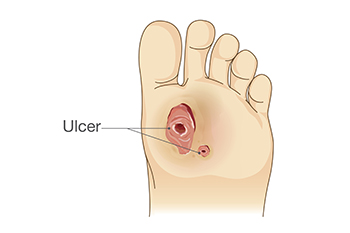
Diabetic foot ulcers are serious wounds that develop on the feet of individuals with diabetes, primarily due to nerve damage and poor circulation. Common causes include prolonged pressure, injury, or infection, which can occur when blood sugar levels are poorly managed. Symptoms typically include red or swollen areas, open sores, and sometimes drainage or a foul odor. If left untreated, these ulcers can lead to severe infections and even amputation. Treatment involves wound care, proper footwear, and controlling blood sugar levels. A podiatrist plays a key role in managing diabetic foot ulcers, offering specialized assessments, debridement of the wound, and creating a tailored care plan. They can also provide advice on footwear to prevent further injury. If you or a loved one is experiencing symptoms of a diabetic foot ulcer, it is suggested you make an appointment with a podiatrist. Early intervention can help prevent complications and promote healing.
Diabetic foot care is important in preventing foot ailments such as ulcers. If you are suffering from diabetes or have any other concerns about your feet, contact Deann Hofer Ogilvie, DPM from Ascend Foot & Ankle Center. Our practitioner can provide the care you need to keep you pain-free and on your feet.
Diabetic Foot Care
Diabetes affects millions of people every year. The condition can damage blood vessels in many parts of the body, especially the feet. Because of this, taking care of your feet is essential if you have diabetes, and having a podiatrist help monitor your foot health is highly recommended.
The Importance of Caring for Your Feet
- Routinely inspect your feet for bruises or sores.
- Wear socks that fit your feet comfortably.
- Wear comfortable shoes that provide adequate support.
Patients with diabetes should have their doctor monitor their blood levels, as blood sugar levels play such a huge role in diabetic care. Monitoring these levels on a regular basis is highly advised.
It is always best to inform your healthcare professional of any concerns you may have regarding your feet, especially for diabetic patients. Early treatment and routine foot examinations are keys to maintaining proper health, especially because severe complications can arise if proper treatment is not applied.
If you have any questions, please feel free to contact our office located in Lafayette, CO . We offer the newest diagnostic and treatment technologies for all your foot care needs.
Tuesday, 12 November 2024 00:00
Stretching and Exercising as Part of Plantar Fasciitis Treatment

Plantar fasciitis is inflammation of the plantar fascia, a thick band of tissue connecting the heel to the toes, causing stabbing pain in the heel, especially upon waking or after long periods of inactivity. Common in runners, people with high arches or flat feet, and those who stand for extended hours, it affects a broad range of active adults and older individuals. Stretching and exercises are essential in podiatric treatment, helping to reduce pain, improve flexibility, and support recovery. Recommended stretches include calf and foot stretches, such as pulling the toes back to elongate the plantar fascia. Strengthening exercises focus on the muscles of the foot and lower leg, like toe curls or using a towel to pull the toes gently toward the body. Consistent stretching, particularly before and after activity, can improve symptoms and prevent recurrence. If you have plantar fasciitis, it is strongly suggested that you consult with a podiatrist for treatment, which will likely involve stretches and exercises.
Plantar fasciitis is a common foot condition that is often caused by a strain injury. If you are experiencing heel pain or symptoms of plantar fasciitis, contact Deann Hofer Ogilvie, DPM from Ascend Foot & Ankle Center. Our practitioner can provide the care you need to keep you pain-free and on your feet.
What Is Plantar Fasciitis?
Plantar fasciitis is one of the most common causes of heel pain. The plantar fascia is a ligament that connects your heel to the front of your foot. When this ligament becomes inflamed, plantar fasciitis is the result. If you have plantar fasciitis you will have a stabbing pain that usually occurs with your first steps in the morning. As the day progresses and you walk around more, this pain will start to disappear, but it will return after long periods of standing or sitting.
What Causes Plantar Fasciitis?
- Excessive running
- Having high arches in your feet
- Other foot issues such as flat feet
- Pregnancy (due to the sudden weight gain)
- Being on your feet very often
There are some risk factors that may make you more likely to develop plantar fasciitis compared to others. The condition most commonly affects adults between the ages of 40 and 60. It also tends to affect people who are obese because the extra pounds result in extra stress being placed on the plantar fascia.
Prevention
- Take good care of your feet – Wear shoes that have good arch support and heel cushioning.
- Maintain a healthy weight
- If you are a runner, alternate running with other sports that won’t cause heel pain
There are a variety of treatment options available for plantar fasciitis along with the pain that accompanies it. Additionally, physical therapy is a very important component in the treatment process. It is important that you meet with your podiatrist to determine which treatment option is best for you.
If you have any questions, please feel free to contact our office located in Lafayette, CO . We offer the newest diagnostic and treatment technologies for all your foot care needs.
Tuesday, 05 November 2024 00:00
What Are Corns?

Corns are thickened areas of skin that develop on the feet due to excessive pressure or friction, often found on the tops or sides of toes. They can result from wearing ill-fitting shoes, abnormal foot mechanics, or repetitive activities. Symptoms include localized pain, tenderness, and a hardened, raised bump that may cause discomfort while walking. Treatment for corns typically involves alleviating pressure on the affected area. This can be achieved through properly fitting footwear or protective pads. A podiatrist can provide expert assessment and treatment options tailored to your needs, ensuring effective relief from pain and preventing future corns from forming. In some cases, this type of doctor may recommend custom orthotics to correct foot alignment and reduce friction. If you are dealing with foot discomfort from corns, it is suggested that you schedule an appointment with a podiatrist for professional care and advice. Your feet deserve it.
Corns can make walking very painful and should be treated immediately. If you have questions regarding your feet and ankles, contact Deann Hofer Ogilvie, DPM of Ascend Foot & Ankle Center. Our practitioner will treat your foot and ankle needs.
Corns: What Are They? And How Do You Get Rid of Them?
Corns are thickened areas on the skin that can become painful. They are caused by excessive pressure and friction on the skin. Corns press into the deeper layers of the skin and are usually round in shape.
Ways to Prevent Corns
There are many ways to get rid of painful corns such as:
- Wearing properly fitting shoes that have been measured by a professional
- Wearing shoes that are not sharply pointed or have high heels
- Wearing only shoes that offer support
Treating Corns
Although most corns slowly disappear when the friction or pressure stops, this isn’t always the case. Consult with your podiatrist to determine the best treatment option for your case of corns.
If you have any questions, please feel free to contact our office located in Lafayette, CO . We offer the newest diagnostic and treatment technologies for all your foot care needs.
