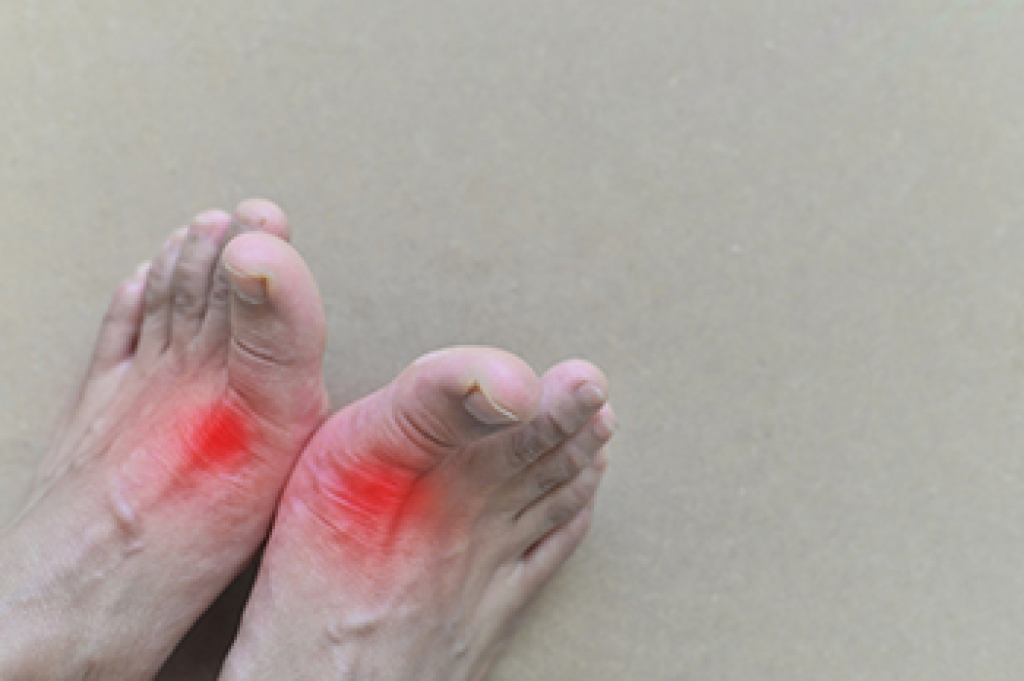
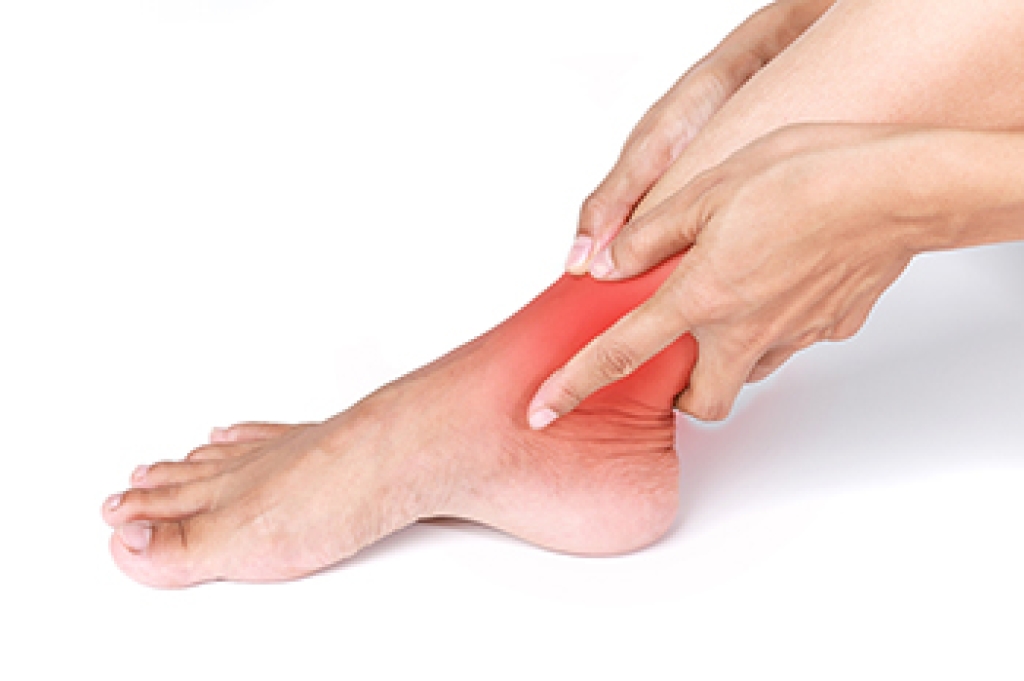
Foot or ankle pain can negatively affect your day-to-day life and can occur due to several different conditions. Pain can also be an indicator of a more serious underlying condition, which is why you should seek professional help as soon as you notice any abnormalities in your feet.
Ingrown toenails develop when several risk factors come together over time. Improper trimming is a common cause, especially when nails are cut too short or rounded at the corners. Wearing tight shoes or with narrow toe boxes place repeated pressure on the nail edges and surrounding skin. Repetitive activities such as running or long periods of standing can worsen this pressure. Toe injuries, even minor ones, may change how the nail grows. Some people have naturally curved or thick nails that are more likely to press into the skin. Excessive sweating softens the skin, making it easier for the nail to break through. Poor foot hygiene and limited vision or flexibility can also contribute by making nail care difficult. Early awareness matters because inflammation and infection can develop quickly. If toenail pain, redness, or swelling appears, it is suggested that you see a podiatrist for an evaluation and appropriate treatment.
Ingrown toenails can become painful if they are not treated properly. For more information about ingrown toenails, contact Deann Hofer Ogilvie, DPM of Ascend Foot & Ankle Center. Our practitioner can provide the care you need to keep you pain-free and on your feet.
Ingrown Toenails
Ingrown toenails occur when a toenail grows sideways into the bed of the nail, causing pain, swelling, and possibly infection.
Causes
Bacterial infections
Improper nail cutting such as cutting it too short or not straight across
Trauma to the toe, such as stubbing, which causes the nail to grow back irregularly
Ill-fitting shoes that bunch the toes too close together
Genetic predisposition
Prevention
Wearing proper fitting shoes and using proper cutting techniques will also help decrease your risk of developing ingrown toenails.
Treatment
Ingrown toenails are a very treatable foot condition. In minor cases, soaking the affected area in salt or antibacterial soaps will not only help with the ingrown nail itself, but also help prevent any infections from occurring. In more severe cases, surgery is an option. In either case, speaking to your podiatrist about this condition will help you get a better understanding of specific treatment options that are right for you.
If you have any questions, please feel free to contact our office located in Lafayette, CO. We offer the newest diagnostic and treatment technologies for all your foot care needs.
Gout can lead to several foot-related complications when flares repeat over time. Ongoing inflammation in the toes and ankles can damage cartilage and bone, causing joint deformity, stiffness, and limits in motion. Painful flares can interfere with walking, balance, and daily activities, increasing strain on other areas of the foot. Skin over inflamed joints can become fragile, raising the risk of cracks, sores, or infection, especially when swelling alters shoe fit. Changes in circulation linked to gout can also slow healing in the feet and increase the risk of ulcers. Long-term joint damage can result in instability that raises the chance of falls. A podiatrist can assess joint changes and recommend treatment or surgery. If you have complications from gout, it is suggested that you make an appointment with a podiatrist for a diagnosis and options for help in managing this condition.
Gout is a foot condition that requires certain treatment and care. If you are seeking treatment, contact Deann Hofer Ogilvie, DPM from Ascend Foot & Ankle Center. Our practitioner will treat your foot and ankle needs.
What Is Gout?
Gout is a type of arthritis caused by a buildup of uric acid in the bloodstream. It often develops in the foot, especially the big toe area, although it can manifest in other parts of the body as well. Gout can make walking and standing very painful and is especially common in diabetics and the obese.
People typically get gout because of a poor diet. Genetic predisposition is also a factor. The children of parents who have had gout frequently have a chance of developing it themselves.
Gout can easily be identified by redness and inflammation of the big toe and the surrounding areas of the foot. Other symptoms include extreme fatigue, joint pain, and running high fevers. Sometimes corticosteroid drugs can be prescribed to treat gout, but the best way to combat this disease is to get more exercise and eat a better diet.
If you have any questions, please feel free to contact our office located in Lafayette, CO. We offer the newest diagnostic and treatment technologies for all your foot care needs.
Arthritis in the toes affects the joints and can make everyday movement uncomfortable. It often develops with increased age as joint cartilage naturally wears down. Being overweight places added pressure on the toe joints, while genetics may increase the likelihood of developing this condition. Common symptoms include persistent pain, stiffness, swelling and reduced flexibility in the toes which may worsen with walking or standing. Some people notice tenderness, redness or difficulty wearing shoes comfortably. A podiatrist can help by evaluating joint health and recommending personalized treatment, such as supportive footwear, custom orthotics, targeted exercises, and pain management strategies. Early care can slow progression and improve function. If toe pain or stiffness is limiting your lifestyle, it is suggested that you consult a podiatrist who can offer effective relief and management tips.
Arthritis can be a difficult condition to live with. If you are seeking treatment, contact Deann Hofer Ogilvie, DPM from Ascend Foot & Ankle Center. Our practitioner can provide the care you need to keep you pain-free and on your feet.
Arthritic Foot Care
Arthritis is a term that is commonly used to describe joint pain. The condition itself can occur to anyone of any age, race, or gender, and there are over 100 types of it. Nevertheless, arthritis is more commonly found in women compared to men, and it is also more prevalent in those who are overweight. The causes of arthritis vary depending on which type of arthritis you have. Osteoarthritis for example, is often caused by injury, while rheumatoid arthritis is caused by a misdirected immune system.
Symptoms
Swelling
Pain
Stiffness
Decreased Range of Motion
Arthritic symptoms range in severity, and they may come and go. Some symptoms stay the same for several years but could potentially get worse with time. Severe cases of arthritis can prevent its sufferers from performing daily activities and make walking difficult.
Risk Factors
Occupation – Occupations requiring repetitive knee movements have been linked to osteoarthritis
Obesity – Excess weight can contribute to osteoarthritis development
Infection – Microbial agents can infect the joints and trigger arthritis
Joint Injuries – Damage to joints may lead to osteoarthritis
Age – Risk increases with age
Gender –Most types are more common in women
Genetics – Arthritis can be hereditary
If you suspect your arthritis is affecting your feet, it is crucial that you see a podiatrist immediately. Your doctor will be able to address your specific case and help you decide which treatment method is best for you.
If you have any questions please feel free to contact our office located in Lafayette, CO. We offer the newest diagnostic tools and technology to treat your foot and ankle needs.
Pain in the front of the ankle can develop when bone spurs or inflamed soft tissue create pressure where the tibia and talus bones meet. This leads to a pinching feeling as the ankle bends upward while walking or climbing. Such pressure often increases after repeated sprains, frequent forward-leaning movements, or long-term strain from activities like soccer or dancing. People may notice discomfort when walking uphill, rising from a squat, or moving the ankle toward the shin. An X-ray can show bony growths that limit motion, while an MRI scan can reveal swelling or scarring in the front of the joint. A podiatrist can evaluate ankle alignment, review imaging, provide shoe inserts for added support, and discuss surgery when needed to remove spurs and improve mobility. If you have pain in the front of your ankle, it is suggested that you schedule an appointment with a podiatrist for a full exam and options for treatment.
Ankle pain can be caused by a number of problems and may be potentially serious. If you have ankle pain, consult with Deann Hofer Ogilvie, DPM from Ascend Foot & Ankle Center. Our practitioner will assess your condition and provide you with quality foot and ankle treatment.
Ankle pain is any condition that causes pain in the ankle. Due to the fact that the ankle consists of tendons, muscles, bones, and ligaments, ankle pain can come from a number of different conditions.
Causes
The most common causes of ankle pain include:
Types of arthritis (rheumatoid, osteoarthritis, and gout)
Ankle sprains
Broken ankles
Achilles tendonitis
Achilles tendon rupture
Stress fractures
Bursitis
Tarsal tunnel syndrome
Plantar fasciitis
Symptoms
Symptoms of ankle injury vary based upon the condition. Pain may include general pain and discomfort, swelling, aching, redness, bruising, burning or stabbing sensations, and/or loss of sensation.
Diagnosis
Due to the wide variety of potential causes of ankle pain, podiatrists will utilize a number of different methods to properly diagnose ankle pain. This can include asking for personal and family medical histories and of any recent injuries. Further diagnosis may include sensation tests, a physical examination, and potentially x-rays or other imaging tests.
Treatment
Just as the range of causes varies widely, so do treatments. Some more common treatments are rest, ice packs, keeping pressure off the foot, orthotics and braces, medication for inflammation and pain, and surgery.
If you have any questions please feel free to contact our office located in Lafayette, CO. We offer the newest diagnostic tools and technology to treat your foot and ankle needs.