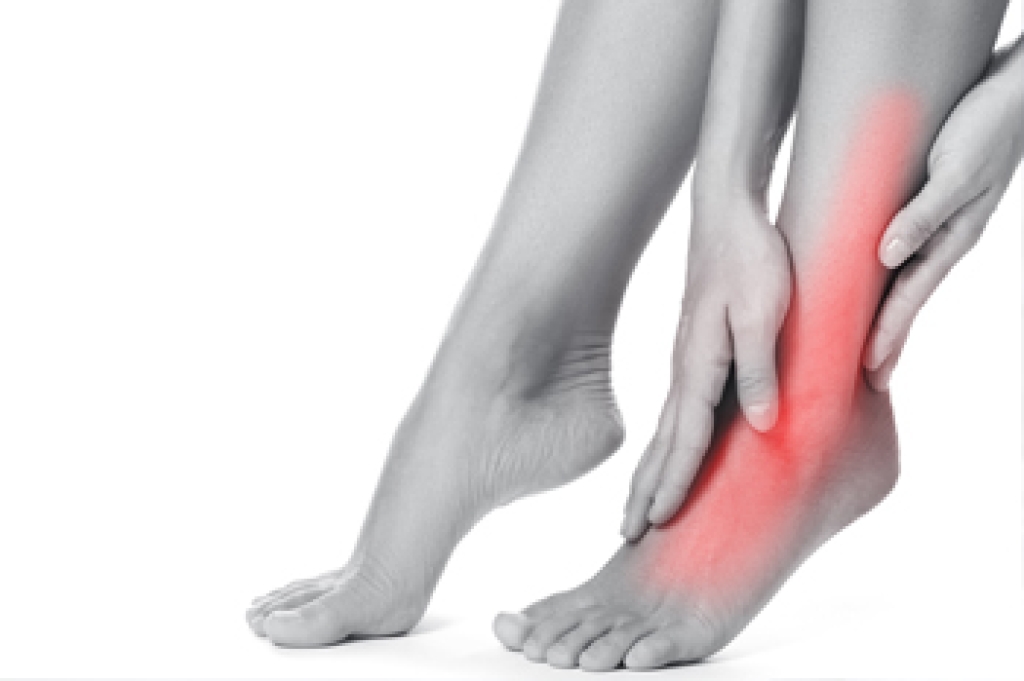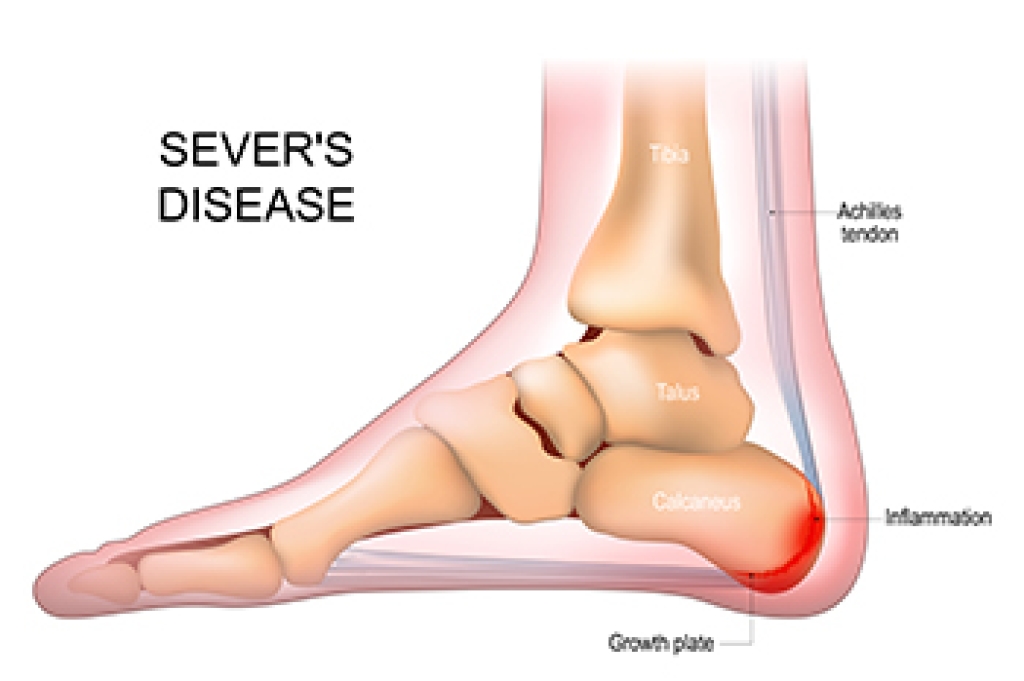
Sever's disease is a common cause of heel pain in active children and adolescents, often occurring during periods of rapid growth. It is caused by inflammation of the growth plate in the heel, frequently triggered by repetitive stress from running, jumping, or sports activity. This is especially common in children with tight calf muscles or high arches. Symptoms include pain at the back or bottom of the heel, swelling, tenderness, and limping after activity. The heel may look slightly swollen or red, and it can feel sore, stiff, or sensitive when walking, running, or standing on tiptoe. A podiatrist can help by starting with a careful examination of the heel and foot structure to confirm the diagnosis and rule out other conditions. Treatment often includes rest, footwear guidance, and targeted exercises to stretch and strengthen the calf and heel. Early care helps prevent further pain and allows safe activity. If your child is having issues with their feet, it is suggested that you schedule an appointment with a podiatrist for an evaluation and appropriate treatment plan.
Sever's disease often occurs in children and teens. If your child is experiencing foot or ankle pain, see Deann Hofer Ogilvie, DPM from Ascend Foot & Ankle Center. Our practitioner can treat your child’s foot and ankle needs.
Sever’s Disease
Sever’s disease is also known as calcaneal apophysitis, which is a medical condition that causes heel pain I none or both feet. The disease is known to affect children between the ages of 8 and 14.
Sever’s disease occurs when part of the child’s heel known as the growth plate (calcaneal epiphysis) is attached to the Achilles tendon. This area can suffer injury when the muscles and tendons of the growing foot do not keep pace with bone growth. Therefore, the constant pain which one experiences at the back of the heel will make the child unable to put any weight on the heel. The child is then forced to walk on their toes.
Symptoms
Acute pain – Pain associated with Sever’s disease is usually felt in the heel when the child engages in physical activity such as walking, jumping and or running.
Highly active – Children who are very active are among the most susceptible in experiencing Sever’s disease, because of the stress and tension placed on their feet.
If you have any questions, please feel free to contact our office located in Lafayette, CO . We offer the newest diagnostic and treatment technologies for all your foot care needs.