
How Rheumatoid Arthritis Can Affect the Feet

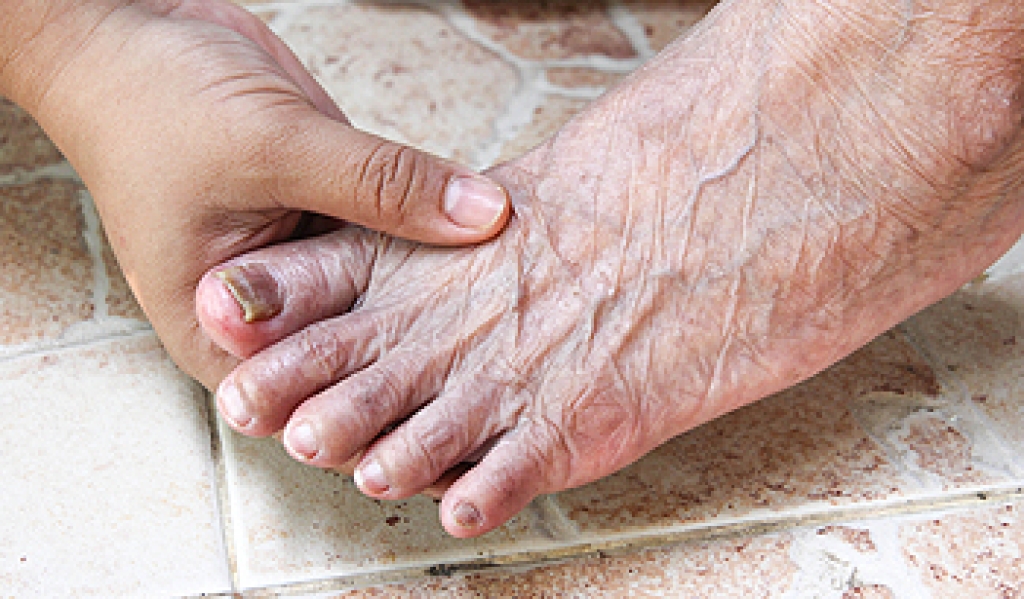
Rheumatoid arthritis is an autoimmune disease that causes the body’s immune system to attack the lining of the joints. It often affects the feet and ankles early in the condition. This ongoing inflammation can lead to pain, swelling, stiffness, and warmth in multiple joints at the same time. Many patients notice morning stiffness that improves slowly throughout the day, along with difficulty walking or standing for long periods. The feet may appear swollen or develop changes in shape as the joints become damaged over time. Common problems include bunion formation, hammertoes, and pain in the ball of the foot caused by joint instability. Rheumatoid arthritis can also weaken surrounding ligaments and tendons, making movement more uncomfortable. A podiatrist can evaluate how the disease is affecting foot structure and function and recommend treatment to improve comfort and mobility. Care may include wearing supportive footwear, targeted exercises, and coordination with other healthcare providers for long-term management. If   rheumatoid arthritis is affecting your feet, it is suggested that you schedule an appointment with a podiatrist for effective relief and management tips.

Because RA affects more than just your joints, including the joints in your feet and ankles, it is important to seek early diagnosis from your podiatrist if you feel like the pain in your feet might be caused by RA. For more information, contact Deann Hofer Ogilvie, DPM of Ascend Foot & Ankle Center. Our practitioner will assist you with all of your podiatric concerns.

What Is Rheumatoid Arthritis?

Rheumatoid Arthritis (RA) is an autoimmune disorder in which the body’s own immune system attacks the membranes surrounding the joints. Inflammation of the lining and eventually the destruction of the joint’s cartilage and bone occur, causing severe pain and immobility.

Rheumatoid Arthritis of the Feet

Although RA usually attacks multiple bones and joints throughout the entire body, almost 90 percent of cases result in pain in the foot or ankle area.

Symptoms

  • Swelling and pain in the feet
  • Stiffness in the feet
  • Pain on the ball or sole of feet
  • Joint shift and deformation

Diagnosis

Quick diagnosis of RA in the feet is important so that the podiatrist can treat the area effectively. Your doctor will ask you about your medical history, occupation, and lifestyle to determine the origin of the condition. Rheumatoid Factor tests help to determine if someone is affected by the disease.

If you have any questions, please feel free to contact our office located in Lafayette, CO . We offer the newest diagnostic and treatment technologies for all your foot care needs.

Read more about Rheumatoid Arthritis in the Feet

Foot Stress Fractures and Prevention Tips

A foot stress fracture is a small crack in a bone that develops from repetitive force or overuse, rather than a single injury. It often occurs when activity levels increase too quickly or when the feet are not properly supported. Symptoms include pain that worsens during weight-bearing activities and improves with rest. Risk factors include overuse, poor footwear, and weak bone health. Preventive steps include wearing properly fitted shoes, gradually increasing exercise intensity, and incorporating cross-training activities to reduce repeated strain. Maintaining a balanced diet rich in calcium and vitamin D can support bone strength. Additionally, pushing through pain during exercise can worsen the injury. If you have symptoms of a foot stress fracture, it is suggested that you consult a podiatrist who can accurately diagnose and treat it.

Stress fractures occur when there is a tiny crack within a bone. To learn more, contact Deann Hofer Ogilvie, DPM from Ascend Foot & Ankle Center. Our practitioner can provide the care you need to keep you pain free and on your feet.

How Are They Caused?

Stress fractures are the result of repetitive force being placed on the bone. Since the lower leg and feet often carry most of the body’s weight, stress fractures are likely to occur in these areas. If you rush into a new exercise, you are more likely to develop a stress fracture since you are starting too much, too soon.  Pain resulting from stress fractures may go unnoticed at first, however it may start to worsen over time.

Risk Factors

  • Gender – They are more commonly found in women compared to men.
  • Foot Problems – People with unusual arches in their feet are more likely to develop stress fractures.
  • Certain Sports – Dancers, gymnasts, tennis players, runners, and basketball players are more likely to develop stress fractures.
  • Lack of Nutrients – A lack of vitamin D and calcium may weaken the bones and make you more prone to stress fractures
  • Weak Bones – Osteoporosis can weaken the bones therefore resulting in stress fractures

Stress fractures do not always heal properly, so it is important that you seek help from a podiatrist if you suspect you may have one. Ignoring your stress fracture may cause it to worsen, and you may develop chronic pain as well as additional fractures.

If you have any questions please contact our office located in Lafayette, CO . We offer the newest diagnostic and treatment technologies for all your foot and ankle needs.

Read more about Dealing with Stress Fractures of the Foot and Ankle

Understanding Foot Pain by Location

Foot pain can often be understood by where it occurs. Pain on the top of the foot may be linked to stress fractures, which are small cracks in the bone caused by repetitive activity. Inner foot pain can be associated with flat feet, where the arch collapses, or hallux rigidus, a stiff big toe joint that limits movement. Pain on the bottom of the foot may be due to plantar fasciitis, an inflammation of the tissue that supports the arch, or heel pad syndrome, which causes deep heel discomfort. Outer foot pain may involve peroneal tendonitis or an ankle sprain from overstretched ligaments. Risk factors include overuse, wearing poor footwear, and foot structure. A podiatrist can identify the cause and provide targeted care. If you have any type of foot pain, it is suggested that you consult a podiatrist who can determine the cause and offer appropriate treatment solutions.

Foot Pain

Foot pain can be extremely painful and debilitating. If you have a foot pain, consult with Deann Hofer Ogilvie, DPM from Ascend Foot & Ankle Center. Our practitioner will assess your condition and provide you with quality foot and ankle treatment.

Causes

Foot pain is a very broad condition that could be caused by one or more ailments. The most common include:

  • Bunions
  • Hammertoes
  • Plantar Fasciitis
  • Bone Spurs
  • Corns
  • Tarsal Tunnel Syndrome
  • Ingrown Toenails
  • Arthritis (such as Gout, Rheumatoid, and Osteoarthritis)
  • Flat Feet
  • Injury (from stress fractures, broken toe, foot, ankle, Achilles tendon ruptures, and sprains)
  • And more

Diagnosis

To figure out the cause of foot pain, podiatrists utilize several different methods. This can range from simple visual inspections and sensation tests to X-rays and MRI scans. Prior medical history, family medical history, and any recent physical traumatic events will all be taken into consideration for a proper diagnosis.

Treatment

Treatment depends upon the cause of the foot pain. Whether it is resting, staying off the foot, or having surgery; podiatrists have a number of treatment options available for foot pain.

If you have any questions, please feel free to contact our office located in Lafayette, CO . We offer the newest diagnostic and treatment technologies for all your foot care needs.

Read more about Foot Pain

Are You Suffering From Nerve Damage?

Neuropathy is a condition that can lead to numbness or loss of sensation in the feet, but it can also cause pain. This condition is more likely to develop for those who are diabetic, obese, or with high blood pressure.

What Is Heel Spur Syndrome?

Heel spur syndrome is a painful condition where a small bony growth forms under the heel. This often develops with plantar fasciitis, which is irritation of the thick band of tissue supporting the arch of the foot. Those with this condition usually feel sharp pain when taking their first steps in the morning. Most people improve with rest, stretching, shoe changes, or targeted exercises. When these options do not work, a minimally invasive surgical method may be considered. This procedure uses a small cut on the bottom of the foot to release tight tissue and reduce pressure. Research shows that this procedure can provide strong pain relief and fast healing for many people. Recovery is typically quicker than traditional surgery, helping people return to daily activities with less discomfort. If you have heel pain, it is suggested that you see a podiatrist for a proper diagnosis and treatment that is right for you.

Heel spurs can be incredibly painful and sometimes may make you unable to participate in physical activities. To get medical care for your heel spurs, contact Deann Hofer Ogilvie, DPM from Ascend Foot & Ankle Center. Our practitioner will do everything possible to treat your condition.

Heels Spurs

Heel spurs are formed by calcium deposits on the back of the foot where the heel is. This can also be caused by small fragments of bone breaking off one section of the foot, attaching onto the back of the foot. Heel spurs can also be bone growth on the back of the foot and may grow in the direction of the arch of the foot.

Older individuals usually suffer from heel spurs and pain sometimes intensifies with age. One of the main condition's spurs are related to is plantar fasciitis.

Pain

The pain associated with spurs is often because of weight placed on the feet. When someone is walking, their entire weight is concentrated on the feet. Bone spurs then have the tendency to affect other bones and tissues around the foot. As the pain continues, the feet will become tender and sensitive over time.

Treatments

There are many ways to treat heel spurs. If one is suffering from heel spurs in conjunction with pain, there are several methods for healing. Medication, surgery, and herbal care are some options.

If you have any questions, please feel free to contact our office located in Lafayette, CO . We offer the newest diagnostic and treatment technologies for all your foot care needs.

Read more about How to Treat Heel Spurs

Connect With Us