
Formation and Treatment of Seed Corns

Seed corns are tiny, round areas of thickened skin that form on the bottom of the foot due to repeated pressure and friction. The name seed corn refers to small, well-defined spots that often appear in clusters. They are commonly linked to dry skin, tight shoes, and foot deformities like bunions or hammertoes, which change how weight is distributed across the sole. Unlike calluses, which are usually larger and spread out, seed corns stay small and circular. They can also resemble plantar warts, but warts often interrupt normal skin lines and may contain small dark dots. Seed corns can become painful when located on weight-bearing areas like the ball of the foot. A podiatrist can carefully examine the lesion, confirm the diagnosis, safely reduce thickened skin, and address underlying pressure points with footwear guidance or custom orthotics. If you have a painful corn on your foot, it is suggested that you make an appointment with a podiatrist for an exam, diagnosis, and treatment.

Corns can make walking very painful and should be treated immediately. If you have questions regarding your feet and ankles, contact Deann Hofer Ogilvie, DPM of Ascend Foot & Ankle Center. Our practitioner will treat your foot and ankle needs.

Corns: What Are They? And How Do You Get Rid of Them?
Corns are thickened areas on the skin that can become painful. They are caused by excessive pressure and friction on the skin. Corns press into the deeper layers of the skin and are usually round in shape.

Ways to Prevent Corns
There are many ways to get rid of painful corns such as:

  • Wearing properly fitting shoes that have been measured by a professional
  • Wearing shoes that are not sharply pointed or have high heels
  • Wearing only shoes that offer support

Treating Corns

Although most corns slowly disappear when the friction or pressure stops, this isn’t always the case. Consult with your podiatrist to determine the best treatment option for your case of corns.

If you have any questions, please feel free to contact our office located in Lafayette, CO . We offer the newest diagnostic and treatment technologies for all your foot care needs.

Read more about Corns and Calluses

Toenail Fungus and Podiatric Relief

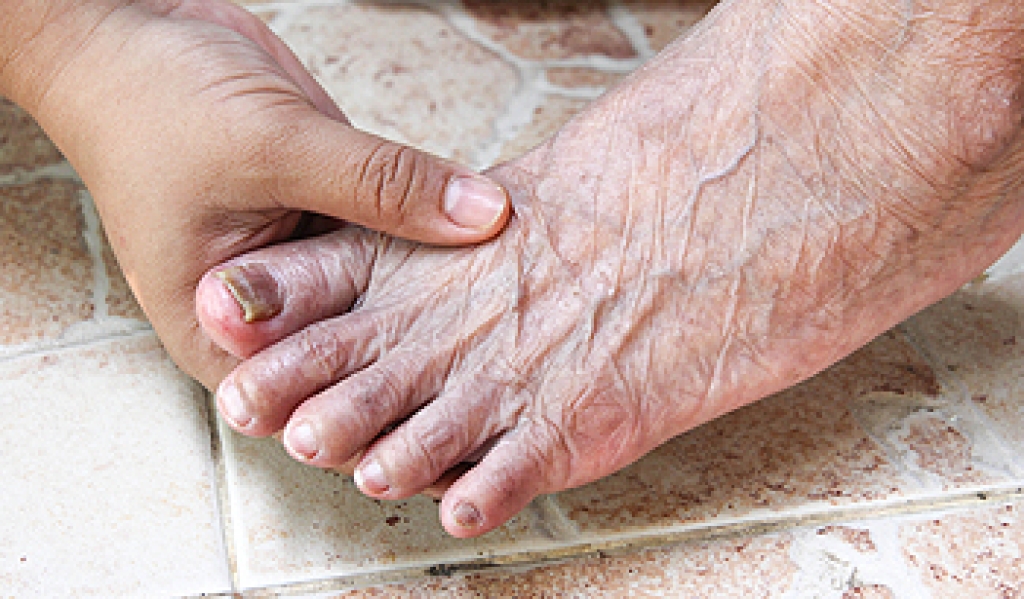
Toenail fungus, medically known as onychomycosis, is a common infection that develops when fungi enter the nail through small cracks in the nail or surrounding skin. Warm moist environments such as locker rooms and tight shoes create ideal conditions for fungal growth. The infection may begin with discoloration, thickening, or a brittle texture and can gradually worsen, if untreated. Diagnosis is confirmed through clinical evaluation and laboratory testing of nail samples to identify the specific organism. Risk factors include diabetes, poor circulation, weakened immunity, aging, and frequent exposure to damp areas. A podiatrist can provide an accurate diagnosis and offer effective treatment options to restore nail health. If you have signs of toenail fungus, it is suggested that you consult a podiatrist who can effectively treat this condition, which may include prescribed medication.

For more information about treatment, contact Deann Hofer Ogilvie, DPM of Ascend Foot & Ankle Center. Our practitioner can provide the care you need to keep you pain-free and on your feet.

Toenail Fungus Treatment

Toenail fungus is a condition that affects many people and can be especially hard to get rid of. Fortunately, there are several methods to go about treating and avoiding it.

Antifungals & Deterrence

Oral antifungal medicine has been shown to be effective in many cases. It is important to consult with a podiatrist to determine the proper regiment for you, or potentially explore other options.

Applying foot powder on the feet and shoes helps keep the feet free of moisture and sweat.

Sandals or open toed shoes – Wearing these will allow air movement and help keep feet dry. They also expose your feet to light, which fungus cannot tolerate. Socks with moisture wicking material also help as well.

If you have any questions please contact our office located in Lafayette, CO . We offer the newest diagnostic and treatment technologies for all your foot and ankle needs.

Read more about How to Treat Your Toenail Fungus

Clubfoot and the Importance of Early Treatment

Clubfoot is a congenital condition in which a baby' s foot is twisted out of its normal position. The medical term, talipes, refers to this deformity, and one common form is talipes equinovarus, where the foot points downward and inward. In equinus, the foot is fixed in a downward position, while varus describes the inward turning of the heel. Causes may include genetic factors, abnormal fetal positioning, or neuromuscular conditions. Early diagnosis is essential to promote proper development and mobility. A podiatrist can evaluate the deformity, coordinate corrective treatment, and monitor progress throughout growth. If your child has been born with a clubfoot, it is strongly suggested that you include a podiatrist on your healthcare team to ensure healthy foot alignment and long-term function.

Congenital foot problems require immediate attention to avoid future complications. If you have any concerns, contact Deann Hofer Ogilvie, DPM of Ascend Foot & Ankle Center. Our practitioner can provide the care you need to keep you pain-free and on your feet.

Congenital foot problems are deformities affecting the feet, toes, and/or ankles that children are born with. Some of these conditions have a genetic cause while others just happen. Some specific foot ailments that children may be born with include clubfeet, polydactyly/macrodactyly, and cleft foot. There are several other foot anomalies that can occur congenitally. What all of these conditions have in common is that a child may experience difficulty walking or performing everyday activities, as well as trouble finding footwear that fits their foot deformity. Some of these conditions are more serious than others. Consulting with a podiatrist as early as possible will help in properly diagnosing a child’s foot condition while getting the necessary treatment underway.

What are Causes of Congenital Foot Problem?

A congenital foot problem is one that happens to a child at birth. These conditions can be caused by a genetic predisposition, developmental or positional abnormalities during gestation, or with no known cause.

What are Symptoms of Congenital Foot Problems?

Symptoms vary by the congenital condition. Symptoms may consist of the following:

  • Clubfoot, where tendons are shortened, bones are shaped differently, and the Achilles tendon is tight, causing the foot to point in and down. It is also possible for the soles of the feet to face each other.
  • Polydactyly, which usually consists of a nubbin or small lump of tissue without a bone, a toe that is partially formed but has no joints, or an extra toe.
  • Vertical talus, where the talus bone forms in the wrong position causing other bones in the foot to line up improperly, the front of the foot to point up, and the bottom of the foot to stiffen, with no arch, and to curve out.
  • Tarsal coalition, when there is an abnormal connection of two or more bones in the foot leading to severe, rigid flatfoot.
  • Cleft foot, where there are missing toes, a V-shaped cleft, and other anatomical differences.
  • Macrodactyly, when the toes are abnormally large due to overgrowth of the underlying bone or soft tissue.

Treatment and Prevention

While there is nothing one can do to prevent congenital foot problems, raising awareness and receiving neonatal screenings are important. Early detection by taking your child to a podiatrist leads to the best outcome possible.

If you have any questions, please feel free to contact our office located in Lafayette, CO . We offer the newest diagnostic and treatment technologies for all your foot care needs.

Read more about Congenital Foot Problems

When Growing Pains Affect the Heel

Sever's disease is a common cause of heel pain in active children and adolescents, often occurring during periods of rapid growth. It is caused by inflammation of the growth plate in the heel, frequently triggered by repetitive stress from running, jumping, or sports activity. This is especially common in children with tight calf muscles or high arches. Symptoms include pain at the back or bottom of the heel, swelling, tenderness, and limping after activity. The heel may look slightly swollen or red, and it can feel sore, stiff, or sensitive when walking, running, or standing on tiptoe. A podiatrist can help by starting with a careful examination of the heel and foot structure to confirm the diagnosis and rule out other conditions. Treatment often includes rest, footwear guidance, and targeted exercises to stretch and strengthen the calf and heel. Early care helps prevent further pain and allows safe activity. If your child is having issues with their feet, it is suggested that you schedule an appointment with a podiatrist for an evaluation and  appropriate treatment plan.

Sever's disease often occurs in children and teens. If your child is experiencing foot or ankle pain, see Deann Hofer Ogilvie, DPM from Ascend Foot & Ankle Center. Our practitioner can treat your child’s foot and ankle needs.

Sever’s Disease

Sever’s disease is also known as calcaneal apophysitis, which is a medical condition that causes heel pain I none or both feet. The disease is known to affect children between the ages of 8 and 14.

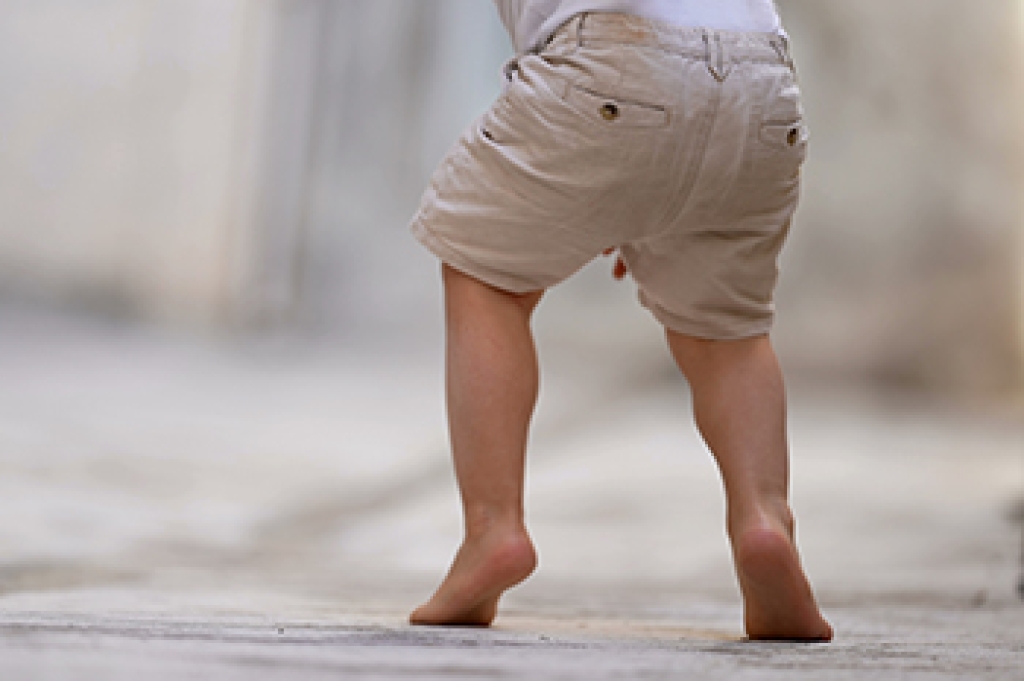
Sever’s disease occurs when part of the child’s heel known as the growth plate (calcaneal epiphysis) is attached to the Achilles tendon. This area can suffer injury when the muscles and tendons of the growing foot do not keep pace with bone growth. Therefore, the constant pain which one experiences at the back of the heel will make the child unable to put any weight on the heel. The child is then forced to walk on their toes.

Symptoms

Acute pain – Pain associated with Sever’s disease is usually felt in the heel when the child engages in physical activity such as walking, jumping and or running.

Highly active – Children who are very active are among the most susceptible in experiencing Sever’s disease, because of the stress and tension placed on their feet.

If you have any questions, please feel free to contact our office located in Lafayette, CO . We offer the newest diagnostic and treatment technologies for all your foot care needs.
Read more about Sever's Disease

Connect With Us